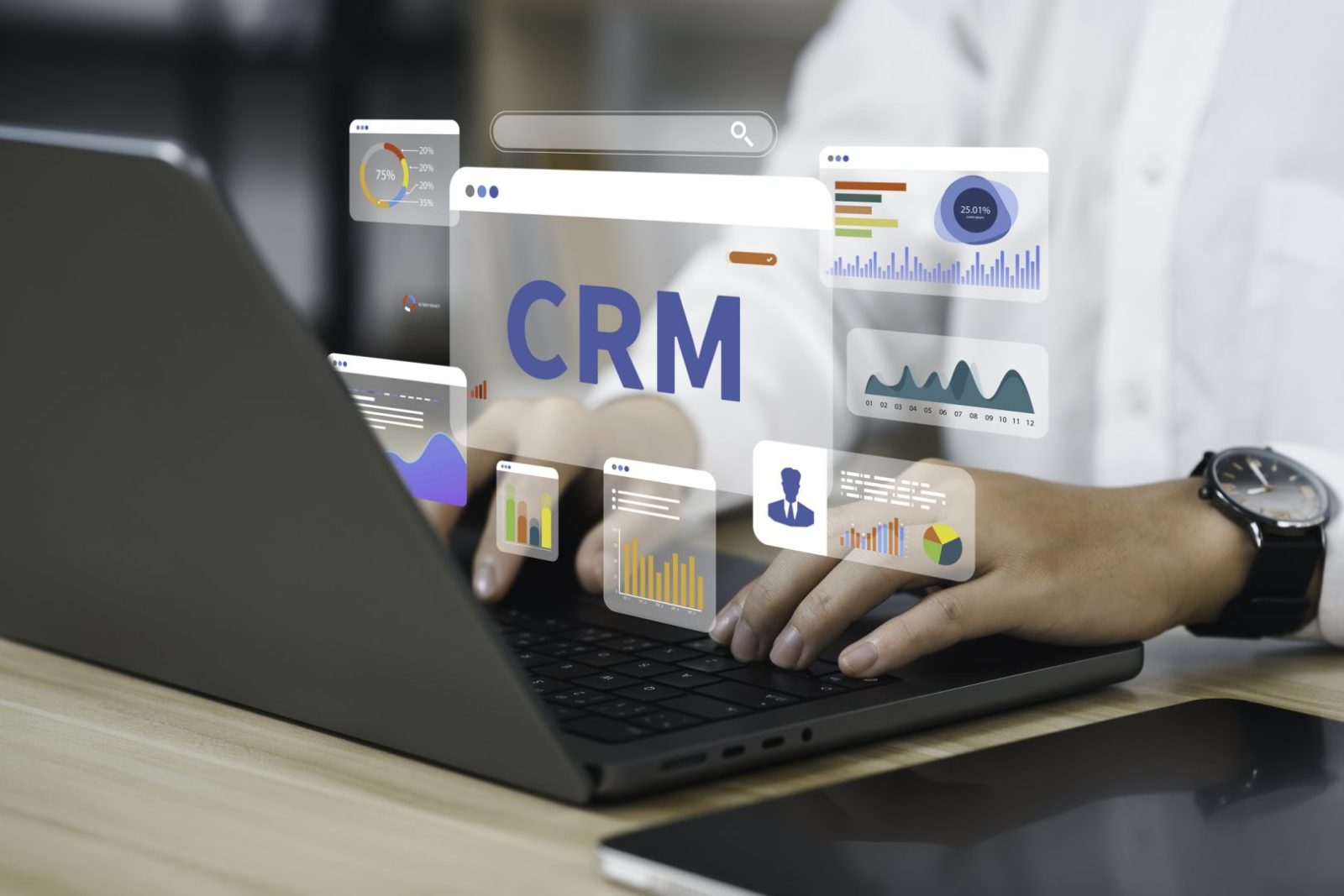
Let us start with a brief clarification of terms. CRM stands for Customer Relationship Management. It can be described as a system for managing customer relationships, but in a fundraising and membership organization, it is really about much more than customers. It is about all the relationships that are important to your organisation.
A CRM system should gather and organize your key data on members, donors, supporters, volunteers, leads, and other contacts so that you can understand, retain, and develop your relationship with them.
You could almost describe it as an extended friendship book: a place where you keep the most important details about the people who have a connection with you, and with whom you want to maintain that connection.
This is a vital point. Your CRM system should contain the relationships you want to keep and develop and nothing else. Many challenges arise when a CRM system is used over time for more purposes than it was actually designed for.
Start with the Strategy, Not the System
Choosing a CRM system is a major decision for any organisation working with members, donors, supporters, or volunteers. It is not simply a technical matter. It is about relationships, data, workflows, and your ability to develop fundraising and member services effectively.
Whether you are choosing a CRM system for the first time or considering switching your current solution, the first step should be strategic.
Start by asking yourselves:
- Which relationships do we have today that we wish to retain and develop?
- Which relationships are most important to us right now?
- Where do we see the greatest potential?
- Are there new target groups or relationship types that will become important to us in the coming years?
This could include members, regular donors, one-off donors, volunteers, businesses, foundations, campaign participants, leads, or people who have signed a petition. Think broadly, today’s lead could be tomorrow’s regular donor.
Once you have a clear picture of which relationships the CRM system needs to support, it becomes much easier to assess which features, integrations, and workflows you actually need.
Gain an Overview of Your Data
Once the strategic foundation is in place, you can start looking at the technical requirements.
Here, you should map out what data you have on your different contact groups and where that data currently lives. Many organizations have data spread across multiple systems. This might include payment solutions, forms, websites, marketing automation, membership lists, Excel spreadsheets, analytics tools, or older databases.
At the same time, many contacts will fall into multiple categories. For example, a person could be a regular donor, have made individual donations, taken part in a campaign, signed a petition, and subscribed to your newsletter.
Your CRM system must be able to support the complete picture. To the donor or member, you are perceived as a single organization regardless of where or how they interacted with you. Therefore, your internal data should also be interconnected.
Are Your Needs Really as Unique as You Think?
Once you have an overview of your relationships, data, and workflows, it is time to look at solutions.
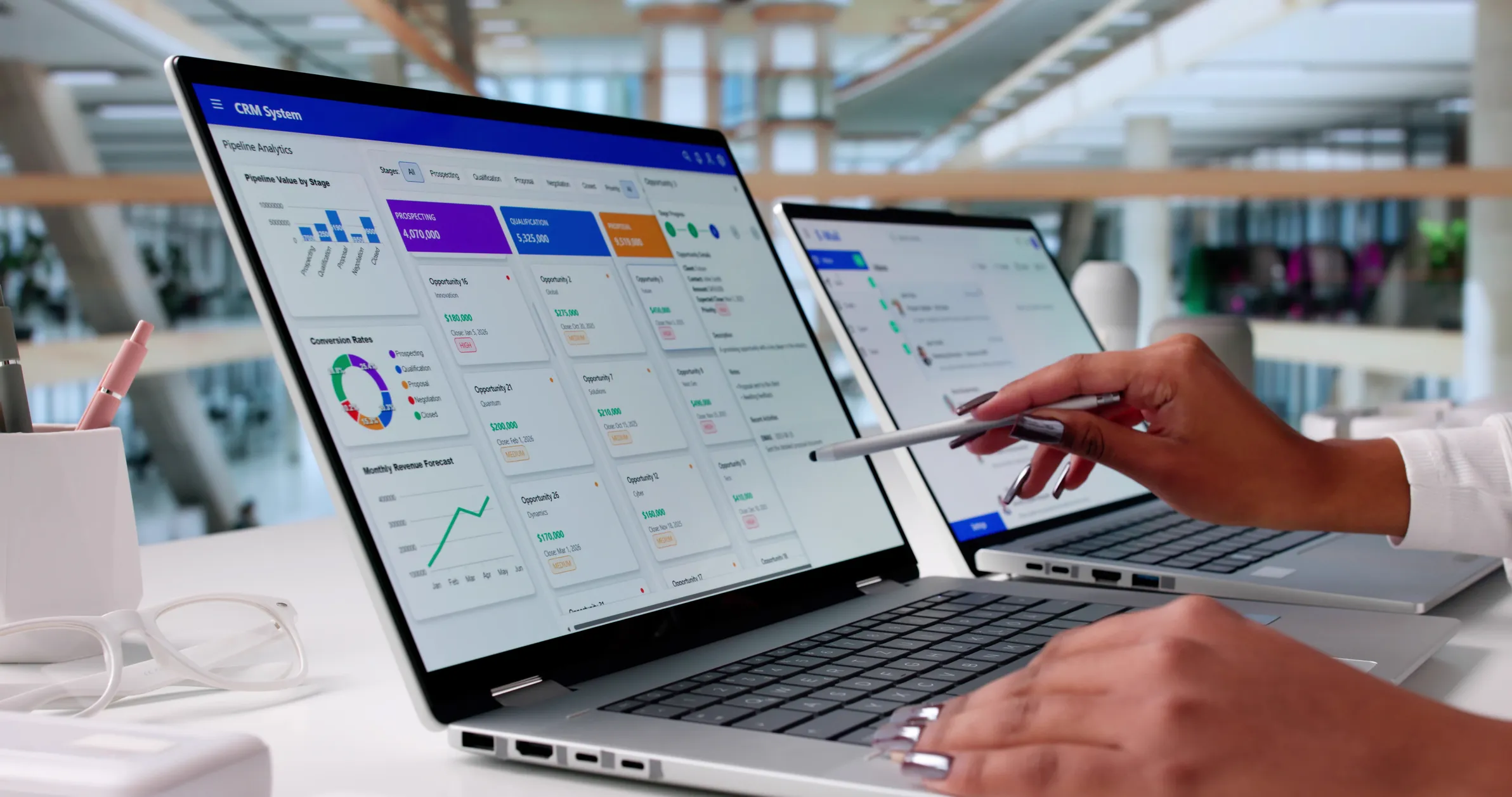
One of the most important questions is whether your needs require a custom-built solution, or if you can use a standard solution already built for fundraising and membership organizations.
Many organizations have a unique cause, but the workflows are often similar: most need to manage members, donations, recurring payments, campaigns, consents, communication, reporting, and system integrations.
Therefore, you can save significant time and money by choosing a CRM system that was already developed for organizations like yours.
Systems such as Ivaldi, Donorfy, Collect, and Serv.ly are examples of CRM solutions built specifically for fundraising and membership organizations. When evaluating these types of systems, look into what problems they were originally designed to solve and what types of organizations they typically work with.
If their existing clients resemble you, there is a good chance the solution will also be a good fit for your organisation.
When Off-the-Shelf Is Not Enough
Of course, there are also organizations for which a standard solution is not the right choice.
Some have highly complex workflows, specific data models, or require a system built tightly around the organization’s unique processes. In these cases, many Nordic organizations choose platforms like Microsoft Dynamics, Salesforce, or the European platform Odoo.
The advantage of these solutions is flexibility. They can be customized precisely to your needs and workflows. The drawback is that they demand more from you as an organization. Implementation typically takes longer, requires clearer definitions, and can become more expensive if needs and responsibilities are not clearly established from the start.
It can be compared to visiting a tailor. The result can be fantastic, but only if you know what you need and have the right advice surrounding you.
Whichever path you choose, it is vital to factor in integrations from the beginning. Payments, forms, and data flows are central components of fundraising and member service. At OnlineFundraising, we help organizations with that specific piece so the CRM system works seamlessly with the solutions handling donations, member payments, and sign-ups.
Let’s Get Started! Talk to Multiple Vendors
You know your needs and whether you require a custom solution or not, so let’s get moving! No, wait a moment. It is easy to get impatient, but you are not quite finished with the preparation yet.
You should go on “vendor dating” and speak with multiple providers, ideally three or more. Not only to compare prices, but to understand differences in approach, support, implementation, integrations, and experience with organizations like yours.
If you choose a vendor already working with fundraising or membership organizations, you often gain a partner who understands your daily operations. That can make a huge difference, both during setup and in day-to-day use.
A good starting point is to look at vendors who already have experience with fundraising and membership organizations in the Nordic region. You can also reach out to OnlineFundraising if you need advice on which CRM systems best match your needs and how payments, forms, and integrations should be designed alongside your CRM choice.
A tip: Call 2–3 organisations similar to yours and ask what solution they use. Fundraisers are often happy to share their knowledge, and those conversations can provide a more honest picture than a sales pitch alone.
Five Tips for First-Time CRM Buyers
1. Define your core purpose
Start by describing what you are raising funds for, which relationships you want to develop, and how the CRM system should support your fundraising, member services, and communication.
2. Collect and clean your data
Get an overview of your current data—for example, in Excel—and spend time cleaning it up. The better your data quality is from the start, the smoother the implementation will be.
3. Describe your workflows
Map out the processes you spend the most time on. Which tasks do you repeat frequently? Which are the most complex? These scenarios are especially critical for your new CRM system to handle well. Remember that a new system also brings new opportunities, so stay open to adjusting some workflows to make full use of its features.
4. Check references
Speak with other organizations using the system. Ask about user-friendliness, implementation, support, and the vendor’s understanding of fundraising and membership work.
5. Factor in support and training from the start
Investigate how support works. Can you get help in Danish or another Nordic language? How are new employees trained? And how will you ensure the system is used correctly in the long run?
Five Tips for Switching CRM Systems
1. Be clear about what isn’t working today
Is the problem the system itself? Lack of support? Poor integrations? Or has your organization evolved so that your current setup no longer aligns with your strategy?
2. Choose a solution that fits your daily routine
User-friendliness matters a lot. Even with automation, there will still be manual tasks in member service, communication, fundraising, and analytics. The system must support the tasks you actually perform. Keep in mind that a new system opens up new possibilities, so be willing to adapt certain workflows rather than tailoring everything. Sometimes it is better to adapt a few processes to a solid standard system than to build an expensive, complex solution around old workflows.
3. Get control of your data
Take time to ensure your data model supports your needs both now and in the medium term. Make sure you can segment based on the parameters you want to use to build better donor relationships. Data migration is often one of the most critical parts of a CRM transition. Create a plan together with the vendor – and potentially an external partner – to help clean up, structure, and transfer your data.
4. Remember your other systems
A CRM system does not necessarily have to solve everything. Consider which tasks are best handled by other systems, such as marketing automation, analytics, payment gateways, or form tools.
5. Compare pricing based on your specific needs
Pricing structures vary greatly between systems, so comparing base prices rarely tells the full story. Define your actual requirements and request quotes based on expected usage, integrations, support, and future developments.
The Right CRM System Should Elevate Your Relationships
Ultimately, choosing a CRM system is not just about software. It is about how you want to work with relationships, data, and organizational growth.
The right CRM system can give you a clearer overview, stronger member service, more relevant communication, and a better foundation for fundraising. However, it requires starting in the right place: with your relationships, your data, and your workflows.
If you are uncertain about the strategic or technical aspects, getting help early in the process can be a worthwhile investment that saves you from costly mistakes later on.
At OnlineFundraising, we work closely with fundraising and membership organizations across the Nordics. We help with payments, forms, and integrations so your CRM system connects seamlessly with the rest of your digital fundraising setup.
You are always welcome to reach out to us if you would like advice on selecting the right CRM solution or optimizing how your current system interacts with your fundraising efforts.